


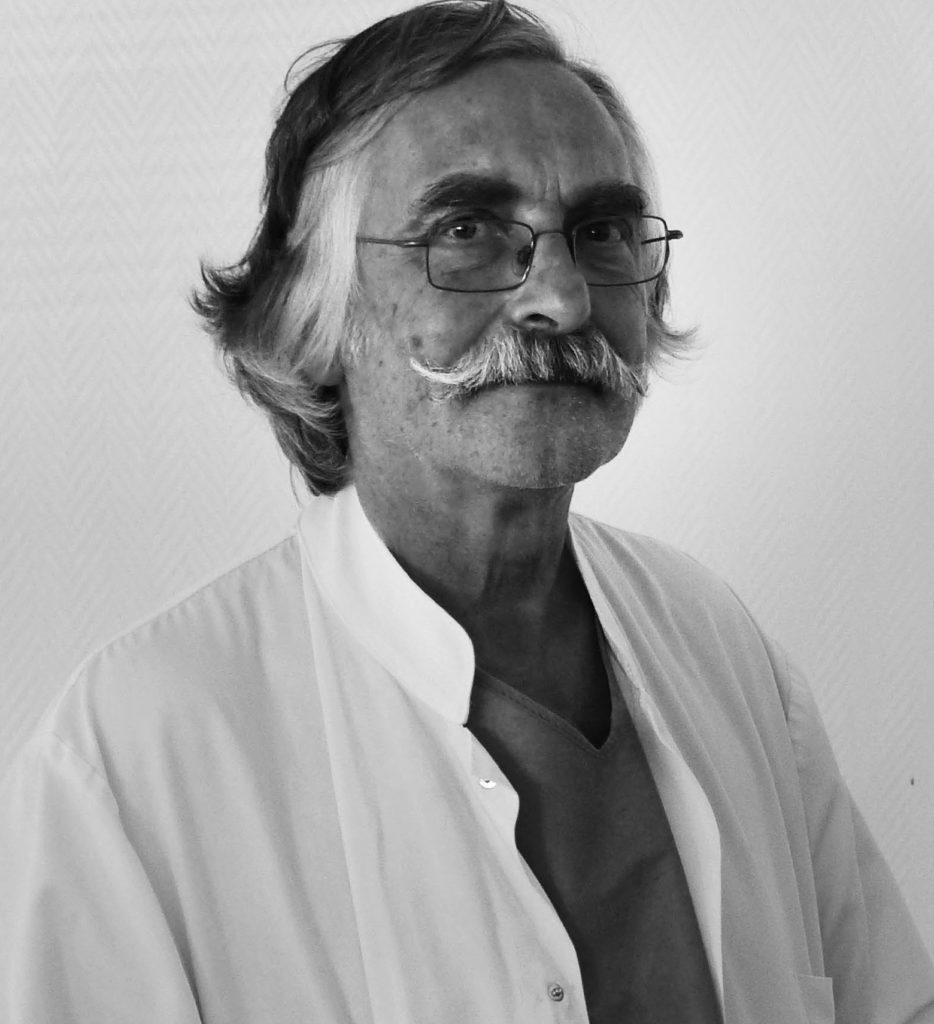
Jean-Claude Guimberteau M.D is a surgeon, founder of the Institut Aquitain de la Main, Director of Research and Past President (2012) of the French Plastic, Reconstructive and Aesthetic Surgery Society.
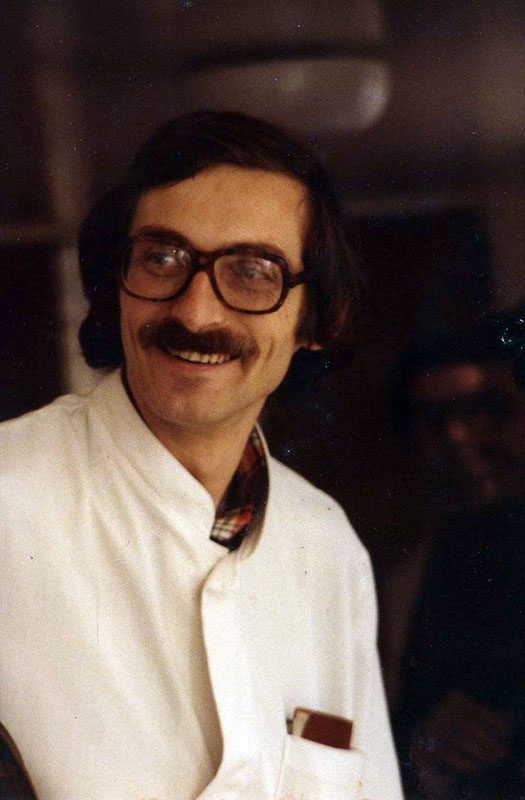
He is a member of the French Hand Society (GEM) and the French Plastic and Reconstructive Surgery Society (SOFCPRE).
Throughout his career Dr GUIMBERTEAU has developed an ongoing fascination with the sliding and suppleness of living tissue and anatomical structures such as tendons.
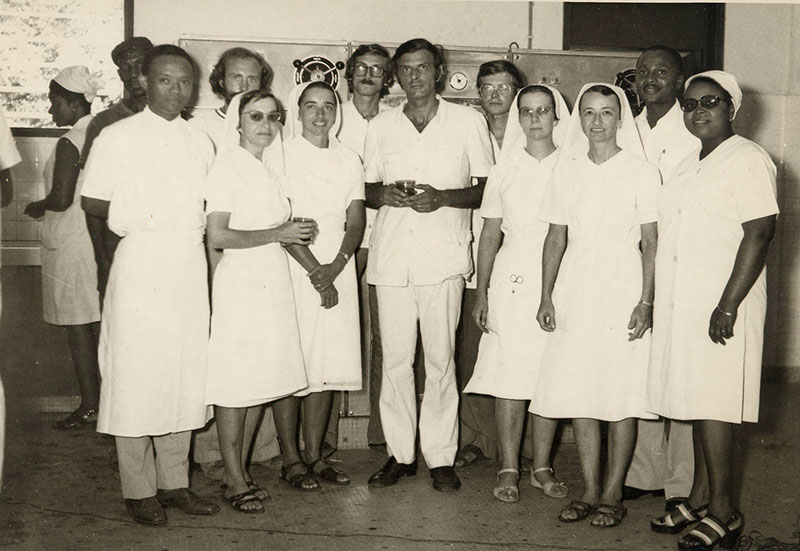
He studied medicine at the Bordeaux University Hospital in 1968-1980. He completed his military service in Benin (Africa) 1973-1974.
He is a pioneer in the field of microsurgery transplants.
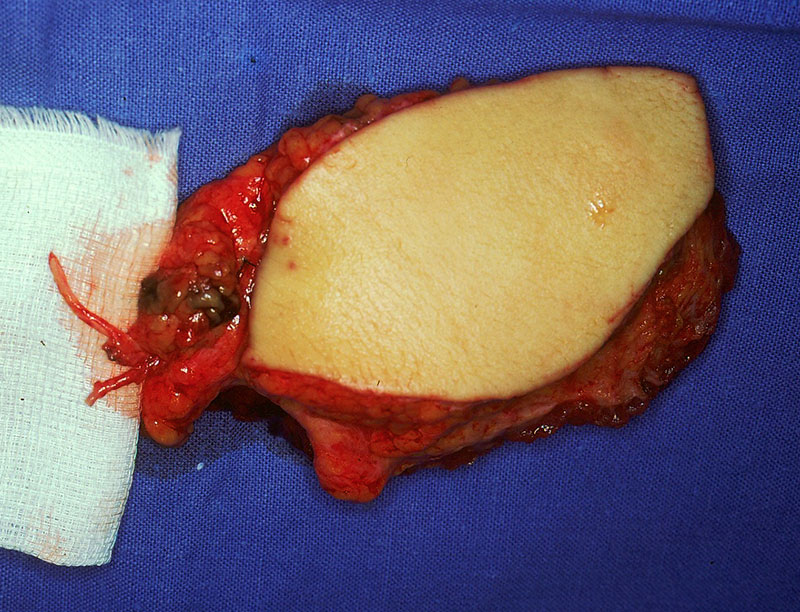
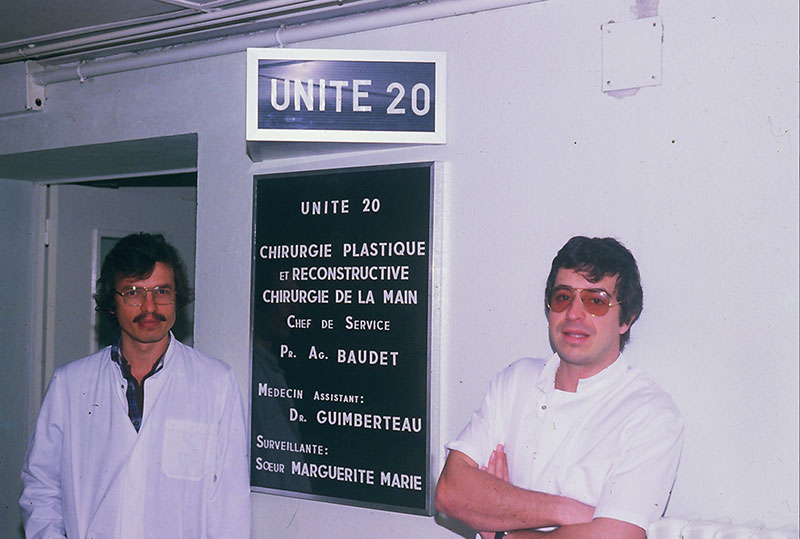
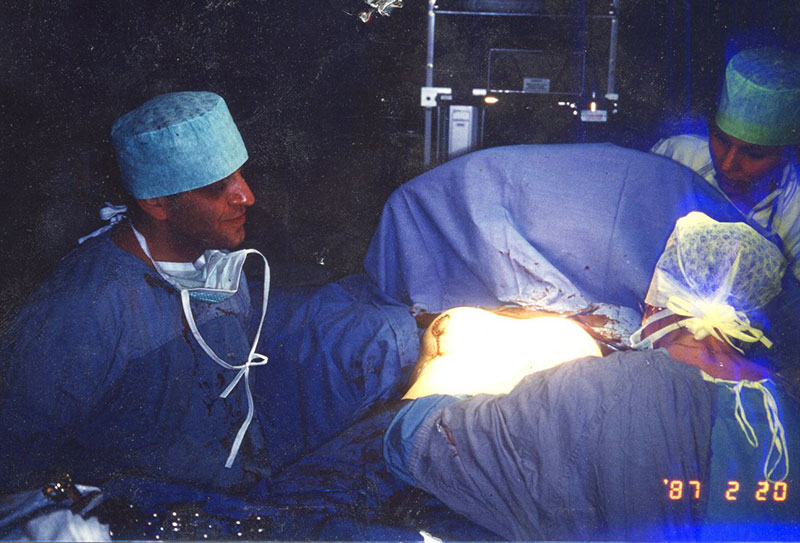
He took part in the first re-implantations and free transfers of organs by microsurgery, first as a intern, and subsequently as the senior resident surgeon in the Department of Hand and Plastic Surgery at the University of Bordeaux (Dr AJM. Goumain and Pr J. Baudet).
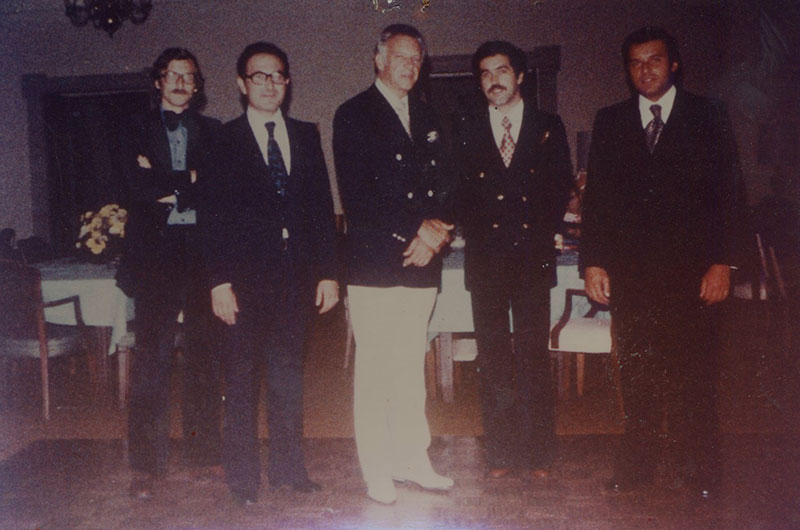
In 1977, he spent 6 months as a visiting fellow with Pr J.M. Converse in New York (USA) and Pr R. Millard in Miami (USA).
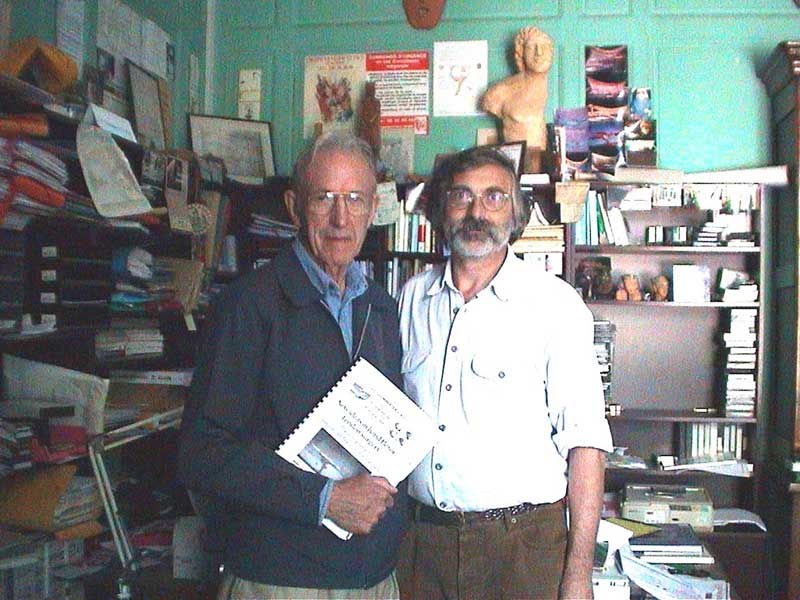
He introduced innovative anatomical and physiological concepts in hand surgery, notably the repair of secondary flexor tendons, and was backed for many years by Pr Cl Verdan (Lausanne Switzerland) and Pr H.E. Kleinert ( Louisville,USA).
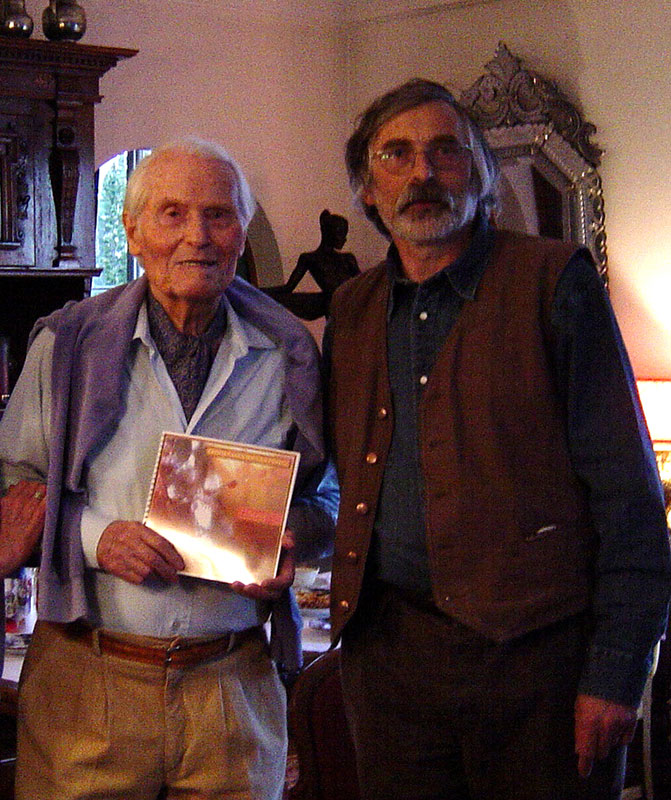
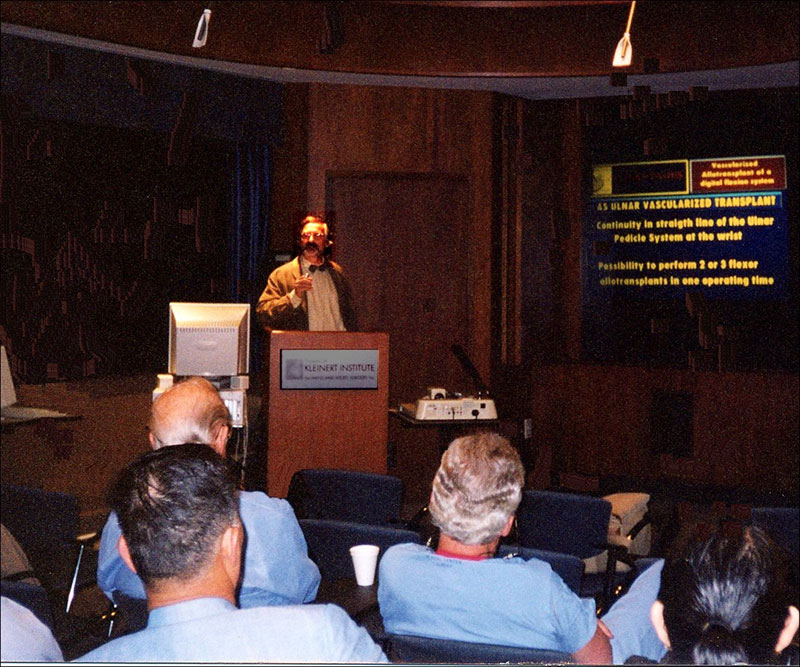
He developed a pioneering technique for flexor tendon reconstruction in hand surgery, using vascularized island transfers. He performed the first vascularized allo transplants of flexor tendons in 1991.
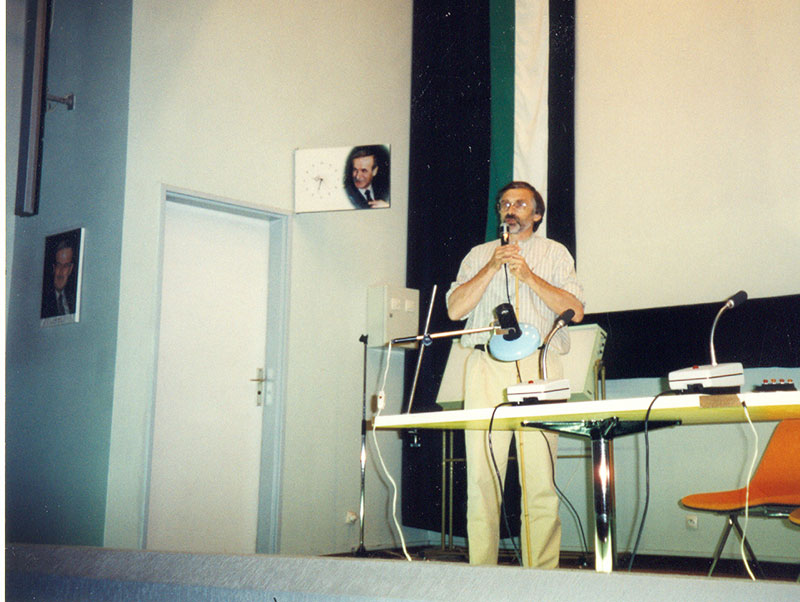
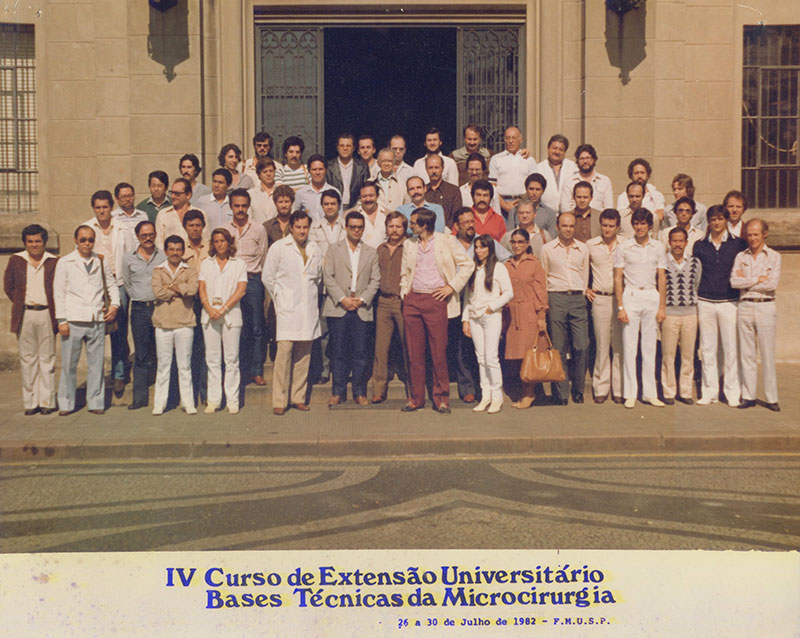
As a result, he has been invited to give lectures in many countries around the world, and has hosted numerous residencies and visits from foreign surgeons.
His fascination with the sliding of organs, especially tendons, encouraged him to explore these structures, first with a microscope and then with an endoscope.
He was confronted on a daily basis with observations of flexibility, suppleness and gliding of tissues, for which there was no satisfactory physiological or mechanical explanation.
The work of A. KAPANDJI was crucial in initiating and encouraging his own research.
And so began the adventure of his exploration of living matter.